Kenya sits at an unusual crossroads for travelers. The country holds some of the world’s most celebrated wildlife reserves and a coastline along the Indian Ocean that remains largely unknown outside East Africa. The Kenya safari vs beach holiday question comes up for almost every international visitor, and the answer depends entirely on what kind of trip you are planning.
This guide lays out what each experience actually delivers, compares costs and timing, and explains when combining both in a single itinerary makes the most sense.
What a Kenya Safari Actually Delivers
A Kenya safari is an active, sensory experience built around early mornings and open plains. Game drives in the Masai Mara begin before sunrise, when the grassland is cool and the light is flat and golden. You cover ground in a 4×4, spotting cheetah on termite mounds, watching elephant families cross the track ahead, and positioning at the Mara River during July to October for the wildebeest crossing. When hundreds of wildebeest enter the current at once, the spectacle is among the most dramatic in wildlife travel.
The rhythm of a safari day has a particular structure: early start, game drive, hot breakfast in the bush, a long midday rest at camp, another drive through the late afternoon heat, then sundowners as the sun drops behind the horizon. Bush dinners, star-gazing, and cultural visits to Maasai villages fill the evenings. Animals move through camp at night. The experience is immersive in a way that stays with travelers for years.
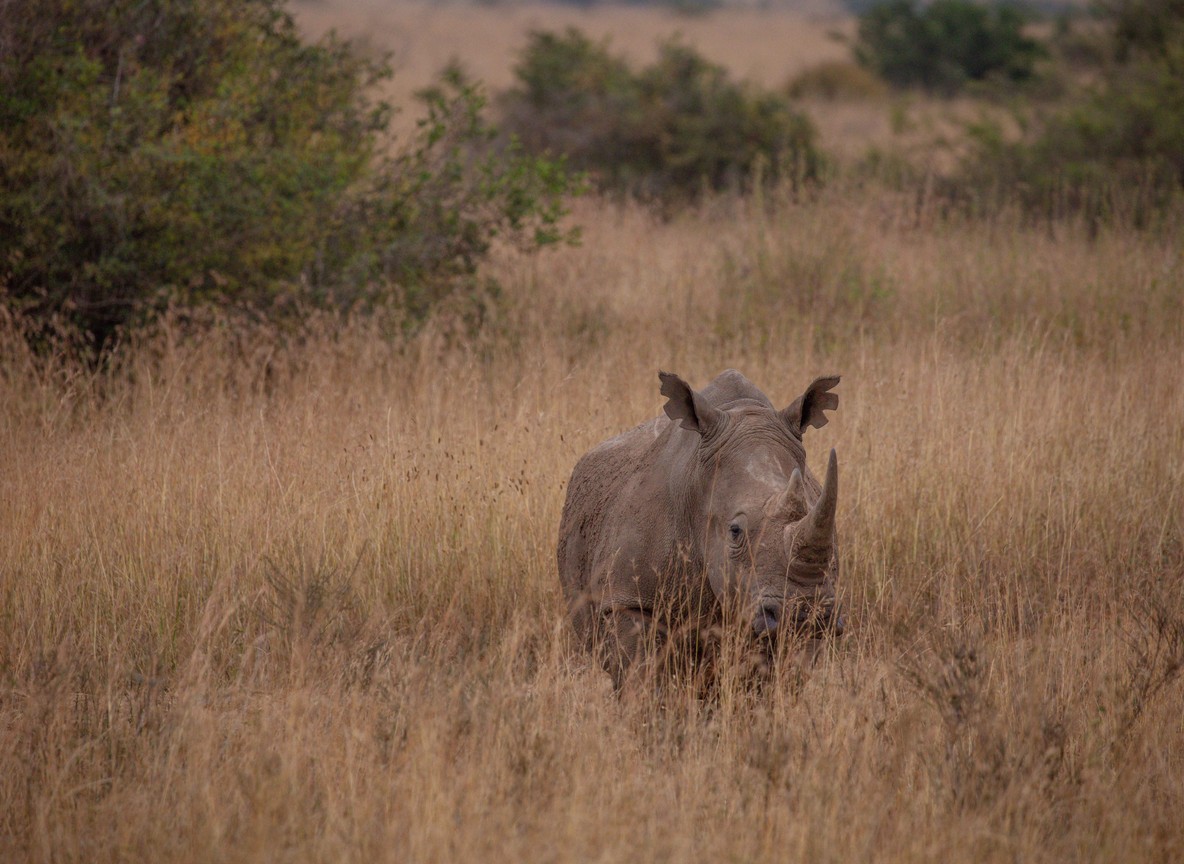
Kenya’s primary safari parks each offer something distinct:
- Masai Mara: open savannah, Big Five, and the Great Migration (July to October)
- Amboseli: elephant herds set against the backdrop of Mount Kilimanjaro
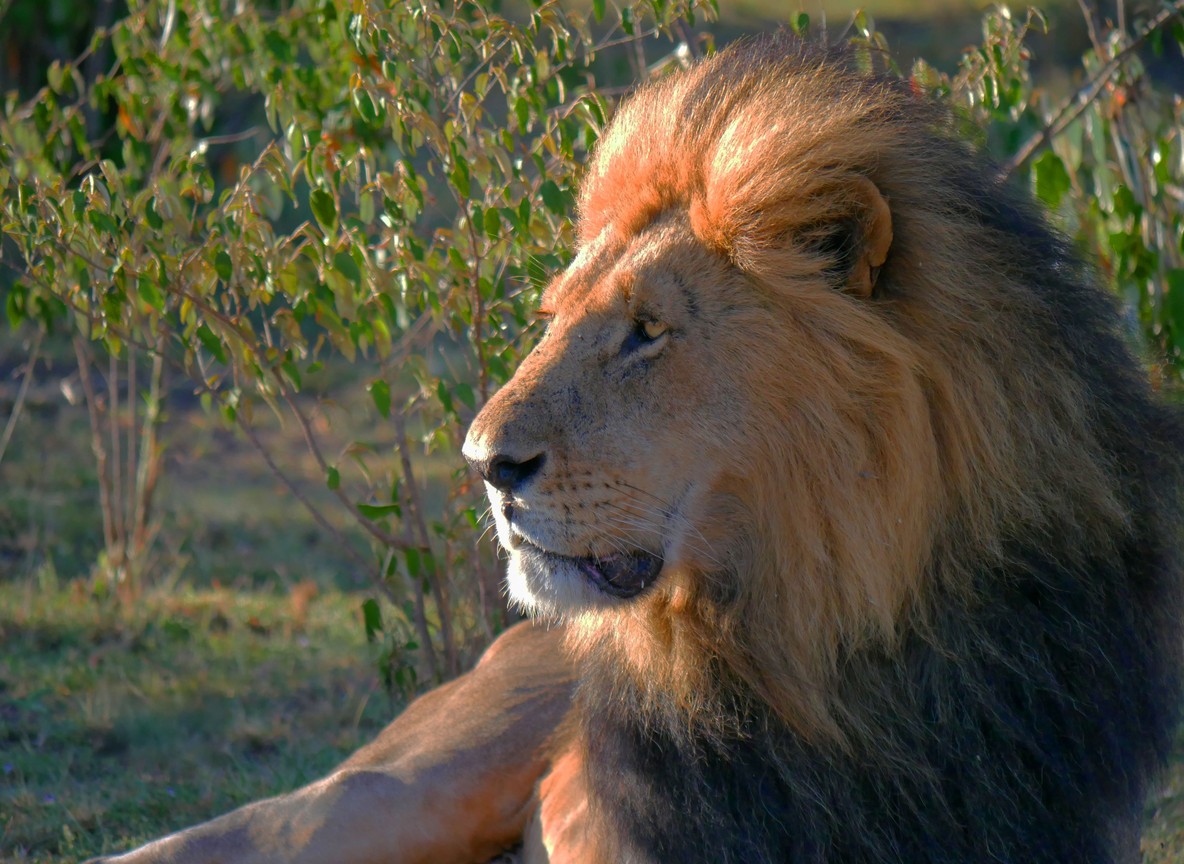
- Tsavo: red-dust landscape, large lion prides, and buffalo herds in the thousands
- Samburu: arid northern terrain with species not found further south, including Grevy’s zebra, reticulated giraffe, and gerenuk
Kenya also holds over 1,100 recorded bird species, making it one of the most biodiverse birding destinations in the world.
What a Kenya Beach Holiday Offers
Kenya’s coast is a different world from the safari circuit. The Indian Ocean here is warm and clear from October through March, when the northeast monsoon keeps skies dry and seas calm. Diani Beach, 30 kilometers south of Mombasa, is the most developed beach destination: a long crescent of white sand backed by boutique resorts, kite surf operators, dive centers, and seafood restaurants. The reef system offshore is accessible by boat for snorkeling and full dive trips.
Watamu, north of Mombasa, sits within a marine national park with consistent sea turtle sightings and strong snorkeling conditions. Lamu Island, further north, is a UNESCO World Heritage Site: a preserved Swahili town where donkeys replace cars, the streets are narrow, and carved wooden doors mark every doorway. Dhow sailing and spice markets give it a cultural texture that Diani does not attempt to match.
A beach holiday in Kenya means slow mornings, long swims, afternoon hours on a dhow watching the coastline, and evenings at waterfront restaurants with grilled fish and coconut rice. The pace is restorative, which follows naturally after the physical demands of an intensive safari schedule.
Kenya Safari vs Beach Holiday: Timing and Seasons
Understanding when to go matters on both sides of this comparison.
Safari seasons
- July to October: Peak season. The Great Migration wildebeest crossings occur in the Masai Mara. Dry conditions strip back the vegetation, improving visibility and concentrating animals around water sources.
- January to February: Short dry season. Strong game viewing, good light, and lower crowd pressure than the peak July to October window.
- November to December: Short rains taper off. Camps are quieter, the landscape greens up, and newborn animals become visible.
- March to May: Long rains. The quietest period. Prices drop and landscapes are lush, but some camps close and road access in certain parks becomes unreliable.
Coast seasons
- October to March: Dry northeast monsoon season. Calm seas, clear skies, and the most reliable conditions for swimming and water sports.
- April to June: Long rains arrive on the coast. Visitor numbers drop and rates follow. Humidity rises.
- July to September: Southeast monsoon (kusi). The open coast can be choppy, which suits kite surfers but deters casual swimmers.
The overlap worth noting: July to October is both peak safari season and dry season on the coast. A back-to-back safari-and-beach trip during this window aligns well logistically and climatically.
Cost at a Glance
Safari and beach holidays sit at different price points, which affects how travelers structure the overall budget.
Safari costs (per person per night)
- Budget camps: $150 to $300 (shared game drives, basic facilities)
- Mid-range camps: $300 to $600 (private drives, en-suite tents, quality meals)
- Luxury camps: $700 to $2,500+ (exclusive conservancies, private vehicles, full service)
Park fees, game drive costs, and internal flights add to base accommodation costs.
Coast costs (per room per night)
- Budget guesthouses: $50 to $100
- Mid-range beach resorts: $100 to $300
- Luxury boutique properties: $400 to $1,200+
The coast offers considerably more flexibility at the lower end of the budget range, making it a practical way to balance total trip spending after several nights in a mid-range or luxury safari camp.
The Combination Itinerary: Safari Then Coast
The most common Kenya trip structure pairs 4 to 7 nights on safari with 3 to 5 nights on the coast. It works for several reasons.
Nairobi is the natural connection hub. Internal flights link Nairobi to Mombasa or Diani in 45 to 55 minutes. Direct flights also run between Masai Mara airstrips and the coast, so passing through the capital is not always required.
The experiences genuinely complement each other. A safari front-loads physical activity, early mornings, and high stimulation. The coast provides recovery time and a contrast in landscape and culture (Maasai highlands versus Swahili coast) that gives a single trip unusual range.
A typical 10-day combination might run:
- Days 1 to 6: Nairobi arrival, 4 to 5 nights in the Masai Mara or Amboseli
- Day 7: Internal flight to Diani Beach or Watamu
- Days 7 to 10: Beach, snorkeling, dhow trip, departure from Mombasa or Nairobi
This itinerary structure suits honeymooners, families, and first-time Kenya visitors who want to cover both the wildlife interior and the coastal culture in one trip.
Which Option Fits Your Plans
A safari suits travelers visiting Kenya specifically for wildlife, those who want an active, structured daily schedule, and families with children old enough for game drives (most camps set a minimum age of six to eight years). If you have five to seven days and want to concentrate entirely on wildlife sightings, staying on the safari circuit is the stronger choice.
A beach holiday suits travelers who have already done an African safari and want a restorative trip, those celebrating a honeymoon or anniversary who prefer relaxed days and evening atmosphere by the sea, and travelers on tighter budgets where safari camp pricing becomes a constraint.
The combination suits anyone with ten or more days who wants the full range Kenya offers. It is the most common choice for long-haul visitors who are unlikely to return soon and want both the scale of a game drive and the pleasure of the Indian Ocean in a single itinerary.
Explorer Notes
- Internal flights between safari parks and the coast cost roughly $100 to $200 per person each way. SafariLink and AirKenya are the main scheduled operators.
- Diani Beach is reachable by road from Mombasa via the Likoni Ferry, roughly 60 to 90 minutes from Mombasa International Airport. A taxi or transfer is the standard option.
- Most safari camps require a three-night minimum during peak season. Book at least four to six months in advance for July to September travel.
- Lamu works well as a three-night extension if you want a quieter, more culturally distinct coastal stay. It is accessible by scheduled flight from Nairobi and Mombasa.
- Travel insurance covering emergency medical evacuation is standard practice for Kenya safari travel. Many park locations are remote and far from hospital care.
- For beach-based travelers short on time, day safaris to Tsavo East run from both Mombasa and Diani: roughly 3 hours’ drive from Mombasa, 4 from Diani, with an early pickup and a late-evening return. It is a full and demanding day given the drive time, but it is a real option for travelers who cannot fit a multi-night camp stay into the trip.
- Travelers who want to extend beyond Kenya can add Zanzibar onto either end of the trip: direct flights run about 1 hour 20 minutes from Nairobi and roughly 50 minutes from Mombasa, making it a straightforward add-on for anyone with a few extra days and a Tanzania entry requirement to plan around.
Conclusion
The Kenya safari vs beach holiday decision comes down to what you want your days to feel like. A safari is active, early-rising, and immersive; a beach stay is slow, sea-facing, and restorative. Both are genuinely rewarding on their own terms. Kenya is one of the few destinations where combining them in a single trip is logistically straightforward and well worth the planning. The country tends to reward travelers who stay long enough to move between its very different landscapes.
Every trip described here can be tailored: dates, budget, camps, and pace built around you.
Get a Personalised SafariFurther reading
More safari planning resources
- Best time to visit Kenya month-by-month map from Valley Safaris
- Diani Beach guide on FindMySafari
- Compare Kenya safari packages on FindMySafari
- Nairobi to Maasai Mara route guide from Valley Safaris